Truth as the Beginning of Repair: Why Nothing Can Be Corrected Until It Is Seen Clearly
Table of Contents
Table of Contents
Truth as the Beginning of Repair
Truth is often treated as a threat.
It exposes what has been hidden. It interrupts comfort. It disturbs agreement. It ends illusions people may have spent years protecting.
So people avoid it.
They soften it.
They delay it.
They rename it.
They explain it away.
They call it harsh, divisive, simplistic, or poorly timed.
Sometimes truth does arrive badly. It can be spoken without wisdom, compassion, patience, or judgment. Truth can be used as a weapon by people who enjoy wounding more than repairing.
But truth itself is not the enemy.
Truth is the beginning of repair.
Nothing can be corrected until it is seen clearly. Nothing can be healed while everyone pretends it is not wounded. Nothing can be restored while the words used to describe it are false.
Repair begins when reality is allowed back into the room.
Truth Comes Before Correction
Correction requires contact with reality.
If a machine is broken, the repairman must see where it is broken. If a business is failing, the owner must know what is failing. If a body is sick, the condition must be recognized. If a relationship is damaged, the damage must be named.
To repair anything, one must first know what is actually there.
This is why falsehood is so destructive.
A lie does not merely misinform. It misdirects repair. It sends energy to the wrong place. It protects the wrong thing. It delays the action that would have mattered.
A false picture produces false correction.
A true picture gives correction a chance.
Denial Protects the Problem
Denial often feels protective.
It protects peace.
It protects reputation.
It protects belonging.
It protects the story people prefer.
It protects people from the immediate discomfort of recognition.
But while denial protects comfort, it also protects the problem.
The addiction continues.
The failure repeats.
The child is still neglected.
The institution keeps drifting.
The false idea keeps spreading.
The relationship keeps weakening.
Denial does not freeze reality.
It only prevents correction.
This is why the mercy of not looking eventually becomes expensive. What is not seen cannot be answered. What is not named cannot be repaired.
Naming Is the First Act of Repair
To name a thing honestly is not the whole repair.
But it is the first act.
“That is not working.”
“That was a lie.”
“That pattern is harmful.”
“That institution failed.”
“That promise was broken.”
“That explanation no longer matches the outcome.”
These sentences may sound simple.
They are not always easy.
An honest name breaks the spell of avoidance. It removes the fog. It gives the mind a place to stand. Before the right name is spoken, the problem may remain shapeless. After it is named, it becomes something that can be examined.
A nameless problem can haunt a person for years.
A named problem can finally be faced.
Why People Resist Repair
People often say they want things to improve.
But improvement has a price.
Repair may require confession. It may require apology. It may require changing habits, systems, beliefs, or loyalties. It may require admitting that something defended for years was harmful. It may require losing face.
So people resist the truth that would make repair possible.
They may prefer the language of repair without the discipline of repair. They may form committees, issue statements, hold meetings, change slogans, and declare intentions while avoiding the central truth.
This happens in families.
It happens in institutions.
It happens in cultures.
People announce healing while refusing the diagnosis.
But repair without truth becomes performance.
The Tortoise Repairs by Looking
The hare wants quick relief.
He wants the appearance of repair. He wants the statement, the gesture, the emotional release, the public signal, the fast solution. He wants to move past discomfort as quickly as possible.
But speed can become another form of avoidance.
The tortoise moves differently.
He stops long enough to see what actually happened. He asks what failed. He asks what was missing. He asks what the outcomes show. He asks what words have been bent. He asks whether the proposed repair matches the real damage.
The tortoise does not confuse motion with correction.
He knows that a rushed repair may only cover the crack.
A true repair must reach the break.
Repair Requires the Whole Picture
Many attempts at repair fail because the picture is incomplete.
One person sees the symptom but not the cause. Another sees the cause but not the history. Another sees the emotion but not the outcome. Another sees the intention but not the damage.
Each person holds part of the picture.
Then the argument begins.
But repair requires more than partial sight.
It requires the humility to ask:
What are we missing?
What has not been said?
What outcome are we ignoring?
What fact would change our conclusion?
What part of the picture have we protected from examination?
These questions may slow the process.
But they strengthen it.
A repair based on missing information may become another injury.
False Repair
Not everything called repair is repair.
Sometimes repair is only public relations.
Sometimes it is damage control.
Sometimes it is appeasement.
Sometimes it is punishment disguised as justice.
Sometimes it is a new slogan over an old failure.
Sometimes it is emotional theater designed to make people feel that something has been done.
True repair changes the condition.
False repair changes the language around the condition.
That distinction matters.
If the same harm continues after the repair has been announced, the repair may have been symbolic rather than real. If the same outcomes keep appearing, the underlying condition has not been corrected.
Reality must be allowed to test the repair.
Outcomes Tell Us Whether Repair Was Real
Intentions are not enough.
A person may intend to repair a relationship and still keep repeating the same behavior. An institution may intend reform and still produce the same failure. A culture may intend compassion and still produce confusion, dependency, or harm.
Outcomes matter.
They are not the only thing that matters, but they cannot be ignored.
If the repair is real, something in the outcome should begin to change.
Trust may return.
Production may improve.
Health may stabilize.
Responsibility may increase.
Clarity may replace confusion.
The repeated failure may begin to stop.
Outcomes do not lie as easily as language does.
They show whether the words met the world.
Truth Without Cruelty
Some people fear truth because they associate it with cruelty.
They have seen people use truth to humiliate, expose, punish, or dominate. They have seen accurate words spoken with a destructive spirit.
That is real.
Truth can be mishandled.
But the answer to cruel truth is not falsehood.
The answer is truthful mercy.
Truthful mercy sees clearly and seeks repair. It does not pretend the wound is not there. It does not rename harm to keep people comfortable. It does not confuse gentleness with blindness.
Truthful mercy says:
“We must see this clearly if we are going to heal it.”
That kind of truth may still hurt.
But it hurts like cleaning a wound, not like deepening one.
Repair and Responsibility
Truth creates responsibility because repair requires someone to respond.
Once the problem is seen, the question changes.
It is no longer only, “What happened?”
It becomes, “What now?”
That question can be frightening.
Who must change?
Who must speak?
Who must stop?
Who must apologize?
Who must rebuild?
Who must refuse?
Who must bear the cost of correction?
This is where many people retreat.
They were willing to discuss truth as an idea. They were willing to analyze it, debate it, and admire it from a distance. But repair brings truth into life.
Repair asks for action.
Not always dramatic action.
Sometimes the first action is simply to stop lying.
Repair Begins Small
Repair does not always begin with a grand gesture.
It may begin with one honest sentence.
“I was wrong.”
“I avoided seeing this.”
“I defended what was harming us.”
“I repeated something I had not examined.”
“I called it complicated because I did not want to face it.”
“I need to look again.”
These sentences may not repair everything.
But they open the door.
They return the person to reality. They stop the momentum of falsehood. They make a new direction possible.
The beginning of repair is often quieter than people expect.
It begins when someone stops defending the fog.
Cultural Repair
Cultures also need repair.
A culture can lose touch with reality through corrupted words, false agreement, blind trust in authority, emotional reasoning, and fear of recognition. It can continue functioning for a long time while drifting away from truth.
The signs appear slowly.
People stop speaking plainly.
Institutions protect themselves.
Outcomes are ignored.
Authority replaces evidence.
Agreement replaces reality.
Complexity hides the obvious.
Those who see clearly are treated as troublemakers.
A culture in that condition does not repair itself by slogans.
It repairs itself when enough people recover contact with reality.
Enough people who can pause.
Enough people who can define words.
Enough people who can ask what is missing.
Enough people who can look at outcomes.
Enough people who can say, “That does not match.”
Not everyone.
Enough.
Truth Restores Direction
A lie disorients.
Truth restores direction.
This is one of the great gifts of truth. Even when it is painful, it tells us where we are. A person cannot find his way while pretending to be somewhere else. A family cannot heal while pretending the wound is imaginary. An institution cannot reform while pretending failure is success.
Truth gives the map back.
It says, “You are here.”
That may be humbling.
But it is also merciful.
Because once a person knows where he is, he can begin to move.
The Courage to Begin Again
Repair requires courage.
Not the loud courage of performance.
The quieter courage of beginning again from what is real.
It takes courage to admit that the old explanation failed. It takes courage to change direction after defending the wrong road. It takes courage to stop running with the hare and begin moving like the tortoise.
Slowly.
Plainly.
Honestly.
In contact with the ground.
This is not glamorous.
But it is powerful.
Many problems survive because people keep trying to fix them without telling the truth about them.
The moment truth enters, real repair becomes possible.
Where Repair Begins
Truth does not repair everything by itself.
It does not remove the cost. It does not guarantee wisdom. It does not tell us every step. It does not make difficult people easy, broken systems simple, or painful histories painless.
But without truth, repair has no place to begin.
The first repair is the repair of sight.
To see what is there.
To name it honestly.
To stop protecting the false picture.
To let words meet the world again.
To allow outcomes to correct theory.
To let responsibility return.
That is where repair begins.
Not in the slogan.
Not in the performance.
Not in the agreement to move on.
Repair begins when reality is admitted.
And that is why truth, however costly, is finally merciful.
Because what truth exposes, it also makes possible to heal.
—
Related Reading:
- The Mercy of Not Looking
- What Is Truth?
- The Burden of Seeing
- The Difference Between Reason and Rationalization
- When Agreement Replaces Reality
- The Fog of Complexity
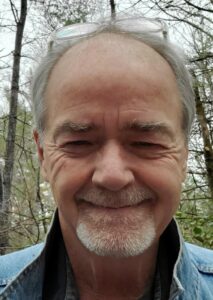
Richard P. Weigand writes on first principles, ethics, formation, logic, media, and cognitive immunity. His work explores how people think, how character is formed, and how modern systems shape belief and behavior. Explore more on the About and Books pages.
(C)Copyright 2026 All Right’s Reserved Richard P Weigand